Winter brings with it a blanket of snow, ice-covered roads, and a chill that often sends us searching for the warmest blankets. It also brings to mind the age-old practice of sprinkling salt on walkways and roads. Have you ever wondered "why does salt make ice colder?" or "why does salt melt ice?" The answer to these questions delves deep into the science of freezing point depression.
The Science Behind Salt and Ice
When salt is added to ice, it doesn't allow the ice to remain frozen at its normal freezing point (0°C or 32°F). Instead, the presence of salt lowers the temperature at which ice can remain solid. This phenomenon is known as freezing point depression.
Here's a breakdown of the process:
- Dissolving Process: As salt sprinkles onto the ice, it begins to dissolve in the surface water, splitting into its component ions.
- Freezing Point Depression: These ions disrupt the natural structure of ice, making it harder for water molecules to bond together in a solid state. Consequently, the freezing point drops.
- Melting and Cooling: As the freezing point drops, more of the ice begins to melt. This melting process is endothermic, meaning it absorbs heat from the surroundings. This is the reason why the mixture of salt and ice feels colder than ice alone.
How Does This Benefit Us?
This drop in temperature and the subsequent melting of ice provides better traction on roads, reducing the risk of accidents due to slippery conditions. Moreover, this principle is utilized in making ice cream. By adding salt to the ice surrounding the ice cream mixture, the temperature drops, allowing the mixture to freeze and turn into delicious ice cream.
The Downsides of Using Salt
While salt's ice-melting capability is laudable, its use, especially in large amounts, has its downsides:
- Environmental Impact: Salt runoff can contaminate water bodies, posing risks to aquatic life.
- Infrastructure Degradation: Salt is corrosive. Continued use can degrade concrete surfaces, leading to higher maintenance and repair costs.
- Health Implications for Pets: If you're a pet owner, your furry friend's health might be at risk. Salt can cause paw irritation, and if ingested in significant quantities, can lead to salt poisoning.
- Vegetation Damage: Salt can harm plants, causing them to lose their ability to absorb water.
https://youtu.be/2ADBAJH9O9I
A Safer Alternative: Safe Paw
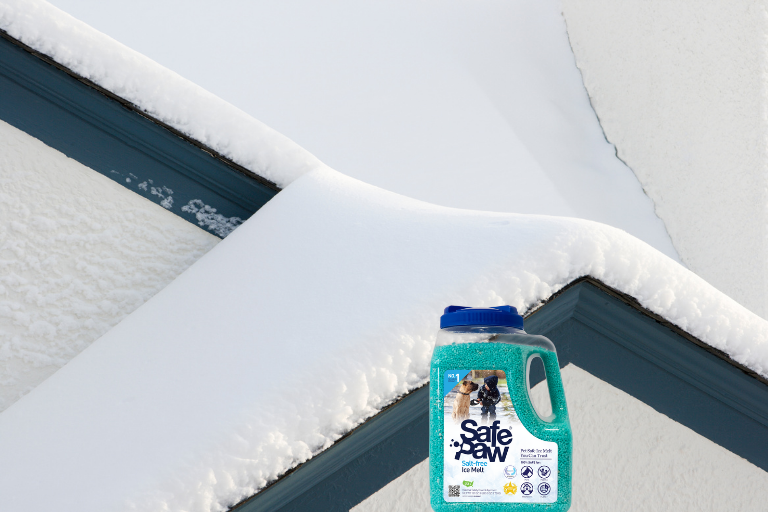
Considering the negative impacts of salt, many are now turning to safer alternatives. One such solution is Safe Paw, a pet-safe ice melt that promises not just safety but also efficacy.
Why Choose Safe Paw?
- Friendly to All Surfaces: Its non-corrosive formula ensures surfaces, especially cured concrete, remain unscathed.
- Safety First: Safe Paw is pet and kid-safe. Even if accidentally ingested, it's harmless.
- Long-lasting: With its concentrated formula, a little goes a long way. A sprinkle of Safe Paw lasts up to 72 hours on the surface.
- Eco-friendly: Free from salt, chlorine, and acetates, Safe Paw ensures our environment, especially soil and water sources, remain uncontaminated.
- User-friendly Packaging: Safe Paw comes in an easy-to-use jug, making de-icing your walkway a breeze.
In Conclusion
The science behind "why does salt make ice colder" is intriguing. The principle of freezing point depression is beneficial in many ways, from ensuring road safety to enjoying a frozen treat. However, while salt has its merits, its adverse effects cannot be overlooked. Switching to alternatives like Safe Paw ensures a win-win: effective ice melting without the associated drawbacks. As we look towards sustainable and safe solutions, such choices make all the difference.
https://safepaw.com/?p=9897


Comments
Post a Comment